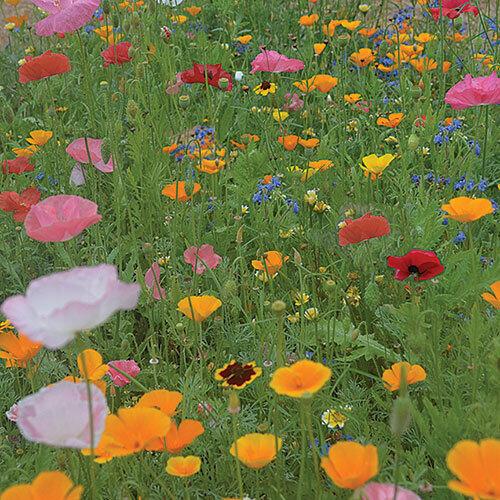
Flowers
Bee Feed Flower Flower Mix
In stock · ships in season
At a glance
- Sun
- Full sun (most)
- Spacing
- 6–18 in
- Germination
- 7–21 days
- Type
- Flowers
- SKU
- SS.0100.P1/4
Grower's notes
About Bee Feed Flower Flower Mix
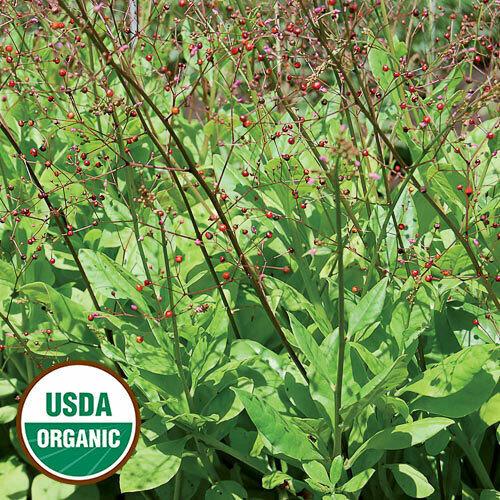
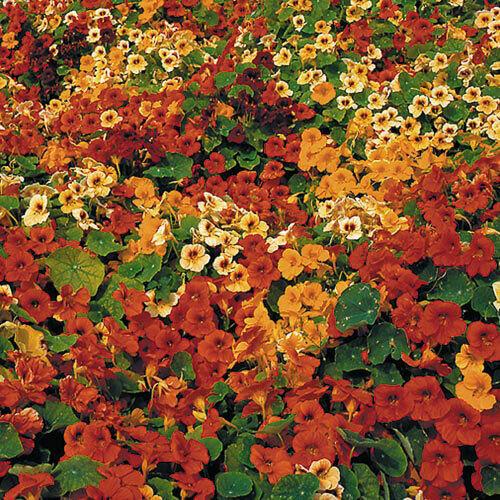
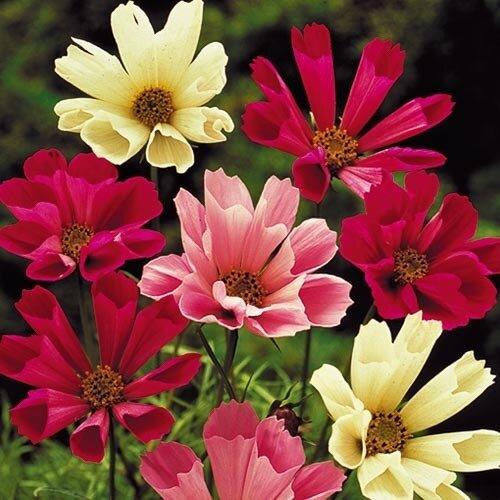
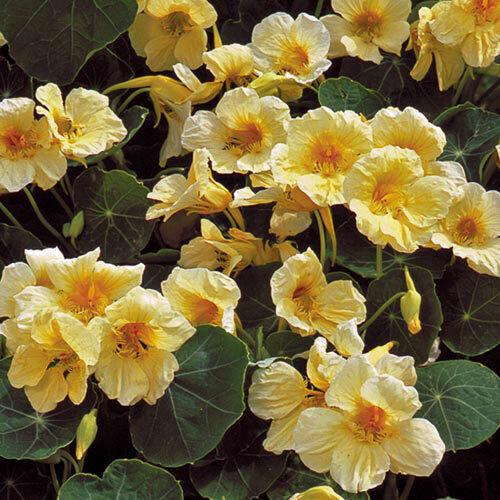
This very colorful early-, mid-, and late-blooming flower mix benefits pollinators all season long. An extraordinary blend of annual and perennial flowers yields nectar and pollen for wild bees, honey bees, and other pollinators, and is suitable for short-tongued and long-tongued bees. Sow in maintained landscapes such as garden beds, borders, and managed meadows. Varieties include:
- Forget-Me-Not, Chinese - Cynoglossum amabile
- Wallflower, Siberian - Cheiranthus allionii
- Poppy, California, Orange - Eschscholzia californica
- Coneflower, Purple - Echinacea purpurea
- Aster, China, Single Mix - Callistephus chinensis
- Poppy,Corn, Mixed - Papaver rhoeas
- Coreopsis, Lance Leaved - Coreopsis lanceolata
- Flax, Blue - Linum lewisii
- Baby Blue-Eyes - Nemophila menziesii
- Tidy-Tips - Layia platyglossa
- Gilia, Globe - Gilia capitata
- Indian Blanket - Gaillardia pulchella
- Coreopsis, Plains - Coreopsis tinctoria
- Sweet Alyssum, Tall White - Lobularia maritima
- Hyssop, Lavender - Agastache foeniculum
- Daisy, Fleabane - Erigeron annuus
- Aster, New England - Symphyotrichum novae-angliae
- Bergamot - Monarda fistulosa
You may sow the bee feed mix 1 to 2 weeks before your average last frost date. Mix the seed with some sand or sawdust, broadcast the seed, and then go over the area with a rake to work the seed into the soil a little.
This product is best seeded at 6-12 lbs per acre or 5 ounces for 1000 square feet
- Best-Seller
- Annuals and perennials
- Early, late, and mid-blooming flowers
- Beautiful mix of colors
- Flowers provide bee forage all season
- Sows 200 square feet per oz
- Packet 1/2 ounce
Growing guide
How to grow flowers
- Sun
- Full sun (most)
- Start
- Varies — many direct sow after frost
- Germination
- 7–21 days
- Spacing
- 6–18 in
- Sow depth
- Varies by variety
- •Deadhead spent blooms to keep flowers coming.
- •Cut-flower types produce more the more you cut.
General guidance for flowers. Always check your local last-frost date and USDA zone.